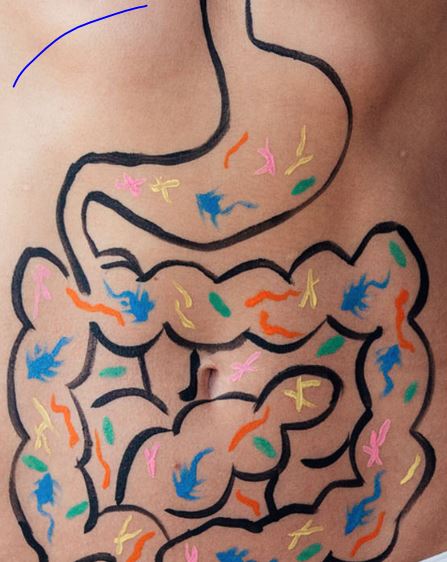
One of the greatest challenges of modern animal husbandry around the world is the sustainable, efficient improvement of animal welfare. This term refers to a number of factors, including housing climate, behaviour, health, hygiene and feeding.
Studies describe the positive effects of butyric acid in particular. However, there is always the question as to the form in which the butyrate should be supplemented. Free butyric acid is metabolised at the beginning of the intestinal tract in the acidic environment of the gizzard and proventriculus. The result is a higher concentration of butyric acid in the crop and gizzard, leading to higher proteolytic activity. In the distal part of the gut, butyric acid will strengthen the epithelial barrier, reduce inflammation and limit the invasion of pathogens like E. coli and Salmonella. To utilize the full beneficial potential of butyric acid, it has to reach colon and caecum as well as the small intestine which is why supplemented butyrate is often protected.
Very promising approaches are methods to stimulate the endogenous production of butyrate in the lower part of the intestine. The strategy is to make substrates—known as prebiotics—available to specific micro-organisms, generating conversion products essential for the growth of the digestive system.
Prebiotics are generally carbohydrates like fructo-oligosaccharides. They provide a useful energy source for beneficial bacteria. A different approach is the use of gluconic acid which is structurally related to sorbitol, a slowly fermentable sugar. It is not or hardly absorbed in the small intestine of monogastric animals and thus serves as an energy source for the valuable lactobacilli and bifidobacteria in the hindgut. Due to the microbial fermentation of gluconic acid, lactate and acetate originate as by-products. These are then converted to butyric acid by acid-utilizing bacteria in the large intestine and the caecum.
By combining the prebiotic gluconic acid with matrix protected butyrate, takes a two-pronged strategy to improve gut health in broilers. The product should be developed to provide butyrate with a sustained release in the small intestine and at the same time stimulate the endogenous production of butyric acid in the hindgut. This has practical and economic benefits for the broiler producer and the animal as shown in a scientific broiler trial.
The supplementation of such product like PreAcid 75G in broilers (Cobb) challenged with E. coli and S. Enteritidis resulted in significantly increased villus height and improved villus height to crypt depth ratio, showing the benefits of delivering the maximum amount of butyric acid in the gut Compare this with AGPs and their detrimental effect on the intestinal villi structure. Imporant features are
Villus height and villus height to crypt depth ratio (VH/VD) in the intestine of 42-day-old broilers challenged with E. coli and S. Enteritidis.
Improving broiler gut health by making the most of butyric acid. A healthy gut with an improved epithelial structure will aid in digestion and adsorption, explaining the higher final weight, better feed conversion ratio and improved livability of the challenged broilers.
Butyric acid is the essential magic stuff for high-performance healthy broilers. Combining supplemented butyrate with a sustained release pattern in the small intestine and endogenous butyrate production in the large intestine, maximizes the available butyric acid in the intestinal tract. This means best results in broiler gut health.