

Salt, primarily made up of sodium chloride (NaCl), is one of the simplest yet most crucial elements in the diet of dairy animals. Despite being a common feed additive, its importance in maintaining optimum health, milk production, and animal behavior is often underestimated.
Dairy cows, like all ruminants, rely heavily on minerals to support complex biological processes. Sodium (Na⁺) and chloride (Cl⁻), the two components of common salt, play central roles in fluid balance, nerve conduction, and nutrient absorption. While animals might only require salt in small amounts, the impact of its deficiency or excess can be dramatic.
Role of Salt in Dairy Cattle Physiology
Electrolyte Balance
Sodium and chloride are essential electrolytes that help regulate osmotic pressure and maintain cellular hydration. Dairy animals lose these minerals through milk, sweat, and urine, especially in hot climates or during heavy lactation.
Muscle and Nerve Function
Both sodium and chloride are required for muscle contraction and nerve impulse transmission. Without them, cows may become lethargic or even experience muscular disorders like tetany.
Water Metabolism
Salt influences thirst response. A cow consuming the correct amount of salt will drink sufficient water, which in turn supports digestion, body temperature regulation, and milk production.
Daily Salt Requirements for Dairy Animals
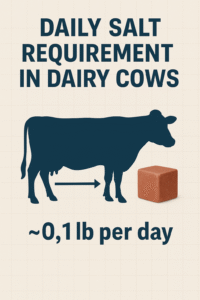
On average, a lactating cow requires 30–50 grams of salt per day. This value may vary depending on the cow’s weight, milk yield, and environmental conditions. For high-producing cows, especially during hot weather, requirements can even exceed 100 grams. Farmers must consider salt present in forages, concentrates, and mineral supplements when calculating this.
- Maintenance: A general guideline is 5 grams of NaCl per 100 kg of body weight for maintenance.
- Production: Dairy cows also need an additional 2 grams of NaCl per liter of milk produced.
- Ration Inclusion: Salt should be included in the grain mix at a level of 1%.
- Free-Choice Salt: Cows can also be given access to salt blocks or loose salt, which they will consume as needed.
- Factors Affecting Intake: The type of feed (high forage vs. high concentrate) can influence how much salt a cow consumes.
- Sodium Depletion: Cows may also lick soil or sweat if they are salt deficient.
- Potential Toxicity: While cattle can generally regulate their intake, consuming large amounts of salt (like 4-5 pounds at once) can be lethal.
Sources of Sodium and Chloride in the Diet
Salt can enter the animal’s system from:
- Forages and Concentrates: Natural sodium levels are often insufficient.
- Salt Blocks: Placed in barns or pastures for self-regulation.
- Loose Salt: Mixed directly into TMR (Total Mixed Ration).
- Drinking Water: Can contain varying levels of dissolved sodium, especially in certain regions.
Signs of Sodium or Chloride Deficiency
Deficiencies are rare but may occur under poor management:
- Behavioral Signs: Licking soil, wood, or urine-stained areas.
- Physical Symptoms: Loss of appetite, rough coat, low milk output.
- Production Impact: Reduced growth in calves and drop in lactation performance.
Effects of Excess Salt Feeding
Too much salt isn’t harmless either. Overconsumption can lead to:
- Water Toxicity: Especially if water access is limited.
- Diarrhea and Bloating: In severe cases, even salt poisoning.
- Reduced Feed Efficiency: When salt levels interfere with feed palatability.
Hence, moderation and monitoring are vital.
Balancing Salt with Other Minerals
Salt does not work in isolation. It interacts with various other minerals in the body, and an imbalance can hinder nutrient absorption or trigger metabolic disorders.
Sodium-Potassium Ratio
This balance is critical for proper nerve function and fluid regulation. If sodium levels are too high compared to potassium, cows may show symptoms of dehydration, even when water is available. Ensuring adequate potassium intake, especially from forages like alfalfa, can prevent this.
Calcium-Magnesium Interaction
Excess salt can affect calcium absorption, especially in transition cows (close-up dry cows). It may also alter magnesium uptake, contributing to grass tetany in spring pastures. That’s why balanced mineral supplementation—including sodium, chloride, calcium, magnesium, and phosphorus—is essential.
Feeding Strategies: Salt Delivery Methods
Free-Choice Feeding
This allows cows to self-regulate their salt intake by licking salt blocks or consuming loose salt placed in troughs. While simple, this approach can lead to under or over-consumption, especially in competitive group settings.

Incorporated in TMR (Total Mixed Ration)
Adding measured amounts of salt directly into the TMR ensures consistent intake across the herd. This is the most controlled and recommended strategy in commercial dairy operations.
Mineral Blocks and Lick Wheels
Mineral blocks containing salt and trace elements are cost-effective for pasture systems. Some farmers use lick wheels infused with liquid molasses and salt to encourage intake during grazing periods.
Salt Feeding for Lactating vs Dry Cows
Lactating Cows
High-producing dairy cows lose large quantities of sodium and chloride in milk. They need more salt to maintain electrolyte balance, milk production, and appetite.
Dry and Transition Cows
Excess salt in dry cows can lead to edema (swelling) or metabolic stress during calving. Salt intake should be reduced, especially in prepartum rations, to avoid complications like milk fever.
Seasonal Considerations in Salt Feeding
Salt needs change with the weather and environmental stressors.
Summer Months
Heat stress increases sweating and electrolyte loss. Salt must be increased to encourage water consumption and prevent dehydration.
Winter Periods
While electrolyte loss is lower, indoor housing can limit natural salt access. Supplementing with salt blocks in barns ensures consistent intake.
Monitoring Salt Intake: Tips for Farmers
- Observe Cows: Watch for signs of salt craving or aversion.
- Feed Analysis: Test TMR and forages for existing sodium and chloride levels.
- Track Water Intake: A drop may indicate excessive salt or restricted access.
- Adjust by Group: Tailor salt delivery by age, lactation stage, and housing.
Salt Intake and Milk Yield Correlation
Scientific Evidence
Numerous studies show that adequate sodium chloride intake boosts feed efficiency and improves milk yield. Cows with access to proper salt sources maintain better rumen function and display higher dry matter intake.
Economic Value
Providing balanced salt can translate to better feed conversion ratios, improved reproduction, and higher milk output—ultimately increasing profitability for the dairy farm.
Misconceptions About Salt in Dairy Nutrition
There are many myths around salt feeding:
- “Cows can regulate their own salt needs perfectly” – Not always true, especially in group feeding setups.
- “Salt increases disease risk” – Excess may, but controlled use improves immunity.
- “Only lactating cows need salt” – All ruminants require it, including bulls, calves, and dry cows.
Case Study: Successful Salt Management on a Dairy Farm
Farm: Sunrise Dairy, Wisconsin
- Problem: Cows showing low milk yield and high somatic cell counts.
- Solution: Veterinarian found salt levels too low in the TMR.
- Action: Adjusted rations to include 0.6% salt with mineralized salt blocks in pasture.
- Outcome: Within 3 weeks, milk yield increased by 12%, and overall herd health improved noticeably.
Veterinary Perspective on Salt Feeding
Veterinarians emphasize that both excess and deficiency in salt intake can lead to health complications:
- Deficiency Risks: Poor digestion, nervous issues, low milk output.
- Excess Risks: Salt toxicity, especially if water is restricted.
Regular veterinary checks and nutritional consultations are key to maintaining optimal salt levels.
Regulatory Guidelines on Salt Usage in Livestock
In many countries, salt usage is regulated under feed safety standards:
- Labeling: Commercial feeds must declare sodium chloride content.
- Maximum Limits: Total salt content in dairy rations typically should not exceed 1% of DM (dry matter).
- Biosecurity Compliance: Salt should not be contaminated with heavy metals or impurities.
Refer to your local agricultural extension or feed regulatory authority for specifics.
Conclusion and Future Outlook
Salt remains an unsung hero in dairy nutrition. When used wisely, sodium chloride not only supports physiological needs but also enhances productivity, animal welfare, and farm profits. As the dairy industry evolves, there’s growing interest in precision mineral feeding and smart supplementation tools.
Future trends may include digital salt intake monitoring, smart feeders with adjustable delivery rates, and better mineral tracking through AI-based herd management systems.


